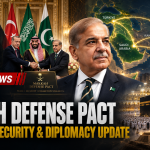





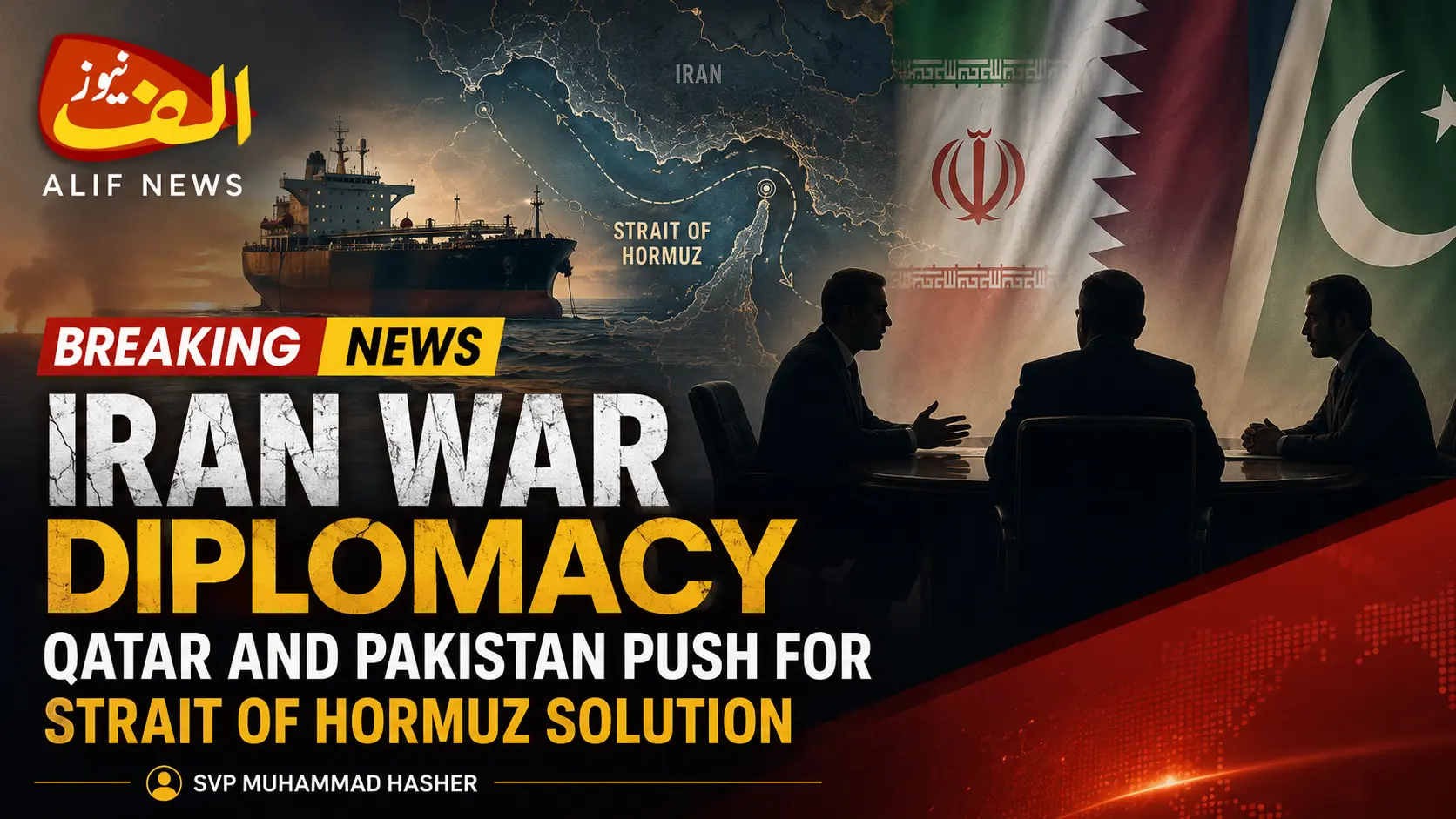
Diplomatic efforts surrounding the Iran conflict are gaining renewed attention as Qatar and Pakistan push for dialogue aimed at resolving the Strait of Hormuz crisis and reducing tensions between Iran and the United States.
The Strait of Hormuz remains one of the most important issues in the wider Middle East conflict because disruption to the strategic waterway has affected international shipping, energy supplies and global oil markets.
As of August 28, Qatar has taken a leading role in the latest mediation efforts, while Pakistan continues its own diplomatic engagement with Iran and other regional countries. Iran has indicated that it is preparing conditions under which navigation through the Strait of Hormuz could move toward normalization.
Qatar Steps Up Iran War Diplomacy
Qatar has intensified its diplomatic involvement in an effort to find a peaceful solution to the dispute.
Qatari Prime Minister Sheikh Mohammed bin Abdulrahman Al Thani has urged Iran to support freedom of navigation through the Strait of Hormuz, highlighting the importance of the waterway for regional and international energy security.
Recent discussions in Tehran have produced signs of possible progress, with Iran agreeing to present conditions that could potentially allow safer and more regular passage through the strategic corridor.
However, a final comprehensive agreement has not yet been reached, and significant political differences remain.
Pakistan Continues Mediation Efforts
Pakistan is also playing an important diplomatic role in efforts to reduce tensions surrounding the Iran conflict.
Pakistan’s Ministry of Foreign Affairs said on August 27 that Islamabad remains engaged with other regional states in efforts to resolve the Gulf and Middle East crisis.
Pakistan’s Chief of Army Staff and Chief of Defence Forces, Field Marshal Syed Asim Munir, visited Tehran on August 24 as part of continuing Pakistani efforts to facilitate an end to the Iran-US conflict and support renewed negotiations over reopening the Strait of Hormuz.
According to Pakistan’s Foreign Office, discussions during the Tehran visit focused on regional de-escalation and finding a negotiated settlement that could help restore stability.
Pakistan has emphasized that its involvement is aimed at encouraging dialogue between the parties rather than further confrontation.
Pakistan and Qatar’s Earlier Peace Initiative
Pakistan and Qatar have already been involved in previous diplomatic attempts to bring the parties closer together.
A ceasefire memorandum brokered with the involvement of Qatar and Pakistan earlier in the conflict did not ultimately produce a lasting settlement. Nevertheless, both countries have remained involved in regional diplomatic efforts.
Pakistan has repeatedly stated that resolving the Strait of Hormuz dispute could create conditions for broader negotiations between Iran and the United States.
Earlier in August, Pakistan’s Foreign Office said it supported efforts to resolve the Hormuz standoff and hoped progress could eventually help revive wider diplomatic talks.
Why the Strait of Hormuz Is So Important
The Strait of Hormuz connects the Persian Gulf with the Gulf of Oman and international waters.
It has historically been one of the world’s most strategically important energy routes, making any major disruption a concern far beyond the Middle East.
Problems in the Strait can affect oil and gas transportation, international shipping costs, insurance rates and global energy prices.
That is one reason countries including Qatar, Pakistan and Oman have placed considerable importance on finding a diplomatic settlement.
Shipping Through Strait Remains Below Normal
Despite renewed diplomatic efforts, shipping conditions have not fully returned to normal.
Preliminary shipping data cited by Reuters showed only seven commodity vessels transiting the Strait on Thursday, August 27, compared with 17 the previous day and a recent 10-day average of 15.
Iran has meanwhile been discussing arrangements related to navigation with Oman as diplomatic efforts continue.
The low level of shipping demonstrates why resolving the crisis remains economically important.
Oman Also Plays Important Role
Alongside Qatar and Pakistan, Oman has emerged as another important participant in efforts surrounding the Strait of Hormuz.
Oman’s geographic position and longstanding diplomatic relations with Iran make it an important regional facilitator.
Pakistan has publicly welcomed Oman’s contribution and said that cooperation among regional countries is important for achieving a peaceful resolution.
This means the emerging diplomatic effort is not limited to only one country. Qatar, Pakistan and Oman are each contributing through different diplomatic channels.
Global Oil Markets Watching Hormuz Talks
International energy markets are closely following developments.
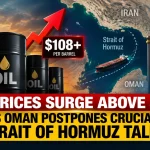
Oil prices remain sensitive to both the Iran conflict and the possibility that shipping through the Strait could increase.
On August 28, Brent crude was trading around $89.66 per barrel while West Texas Intermediate was around $83.21, as investors assessed diplomatic developments and shipping conditions.
A successful agreement allowing more predictable commercial shipping could reduce some uncertainty in global energy markets.
However, failure to reach an agreement could prolong disruption and maintain pressure on regional and international trade.
Can Diplomacy Produce a Lasting Solution?
The coming period could prove important for the future of the Strait of Hormuz and the wider Iran conflict.
Iran’s willingness to present conditions for normalizing navigation offers one possible path toward progress, but converting diplomatic discussions into an enforceable agreement will require cooperation among the parties involved.
Pakistan continues to advocate dialogue and de-escalation, Qatar is playing a prominent role in current mediation efforts, and Oman remains engaged directly with Iran over the strategic waterway.
Together, these regional diplomatic initiatives could provide an alternative to continued confrontation.
For Pakistan, a peaceful resolution is particularly important because instability in the Gulf can affect energy supplies, shipping routes, regional trade and the broader economic environment.
The immediate focus will now be on whether negotiations can produce practical arrangements for the Strait of Hormuz and whether progress there can open the door to wider Iran-US diplomatic talks.
Alif News will continue to follow the Iran conflict, Strait of Hormuz negotiations and major developments across the Middle East.