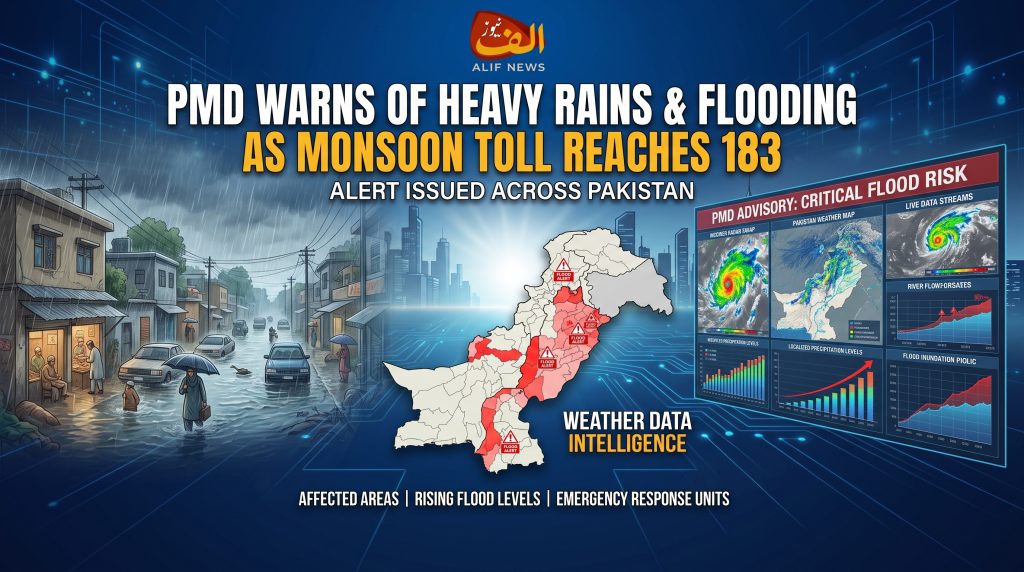





PMD Warns of Heavy Rains & Flooding as Monsoon Toll Reaches 183, The heavy scent of wet earth has barely settled over Islamabad and Rawalpindi from earlier downpours when the meteorological maps turn crimson again. The Pakistan Meteorological Department (PMD) has issued a stern, widespread warning: a fresh, potent cocktail of penetrating monsoon currents and an incoming westerly wave is set to drench the upper parts of the country.
As families across major urban centers and fragile rural settlements hold their breath, the cumulative toll of this relentless season has hit a heartbreaking milestone. According to data compiled by the National Disaster Management Authority (NDMA), the national monsoon death toll since June 26 has climbed to 183 lives lost, alongside 515 injuries. Behind these stark statistics are stories of shattered homes, displaced communities, and an urgent race against time to prevent further tragedy.
Breaking Down the Toll: Where the Impact Hits Hardest
Numbers rarely capture the human scale of a natural disaster, but they outline the map of vulnerability. The regional breakdown released by disaster management authorities illustrates a widespread crisis spanning multiple provinces:
- Khyber Pakhtunkhwa (KP): Recorded the highest loss of life with 74 deaths, driven largely by flash floods and vulnerable mountain terrain.
- Punjab: Follows closely with 64 deaths and a staggering 368 injuries, accounting for the vast majority of physical trauma reported nationwide.
- Sindh: Recorded 17 fatalities as low-lying regions battle recurring pooling and urban stress.
- Azad Kashmir & Balochistan: Stood at 16 and 8 deaths respectively, while Islamabad recorded 3 and Gilgit-Baltistan recorded 1.
Perhaps the most haunting metric in the NDMA report is the demographic breakdown of the victims: 83 children lost their lives, compared to 63 men and 37 women. This disproportionate impact on the young underscores how rapidly rising flash floods and collapsing structures threaten the most defenseless among us.
The Forecast: What to Expect from September 12 to 17
The upcoming weather window is broad and menacing. The PMD has indicated that the weather system will strengthen significantly starting September 14, bringing heavy thunderstorms, isolated heavy falls, and even hailstorms to multiple districts.
Provisional authorities, particularly the Provincial Disaster Management Authority (PDMA) in Punjab, have flagged severe risks for specific zones:
- Urban Flooding Zones: Major urban hubs including Rawalpindi, Lahore, Faisalabad, Gujranwala, Gujrat, and Sialkot face high risks of urban inundation as drainage systems are pushed past their absolute limits.
- Flash Floods and Landslides: Localized streams and nullahs—including the notoriously volatile Nullah Lai in Rawalpindi—are under strict observation. Hilly tourist destinations like Murree, Galliyat, and Kashmir face dangerous threats of landslides blocking vital roadways.
Authorities on High Alert: Preparedness vs. Reality
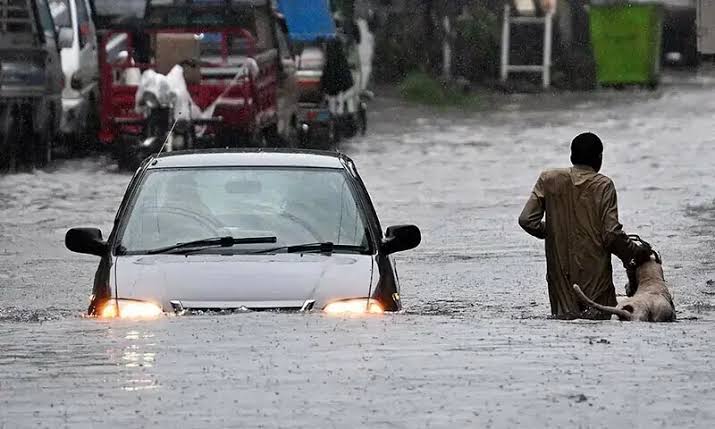
Memories of September 1’s torrential downpours—which forced school closures, triggered emergency evacuations, and turned streets into rivers across the twin cities—are still fresh. Learning hard lessons from those chaotic hours, district administrations have been ordered into 24-hour operational readiness.
Rescue 1122 teams are on high alert, heavy earth-moving machinery has been pre-positioned near chronic choke points, and municipal workers have scrambled to unclog choked urban drains before the skies open up. Yet, infrastructure limitations mean that heavy engineering can only do so much once a cloudburst drops months’ worth of rain in a matter of hours.
Staying Safe Through the Storm
For residents living in low-lying areas or planning travel through northern passes, complacency is the greatest hazard. Authorities have strongly advised tourists and commuters to completely avoid unnecessary travel into mountainous tracts over the next few days. Farmers have similarly been urged to safeguard harvested crops and manage field drainage proactively.
PMD Warns of Heavy Rains & Flooding as Monsoon Toll Reaches 183
As Pakistan navigates the tail end of a punishing monsoon cycle, community resilience remains our strongest shield. Keep emergency contacts close at hand—such as PDMA’s helpline 1129 or Rescue 1122—stay tuned to verified weather updates, and check in on vulnerable neighbors before the heavy clouds break overhead.