




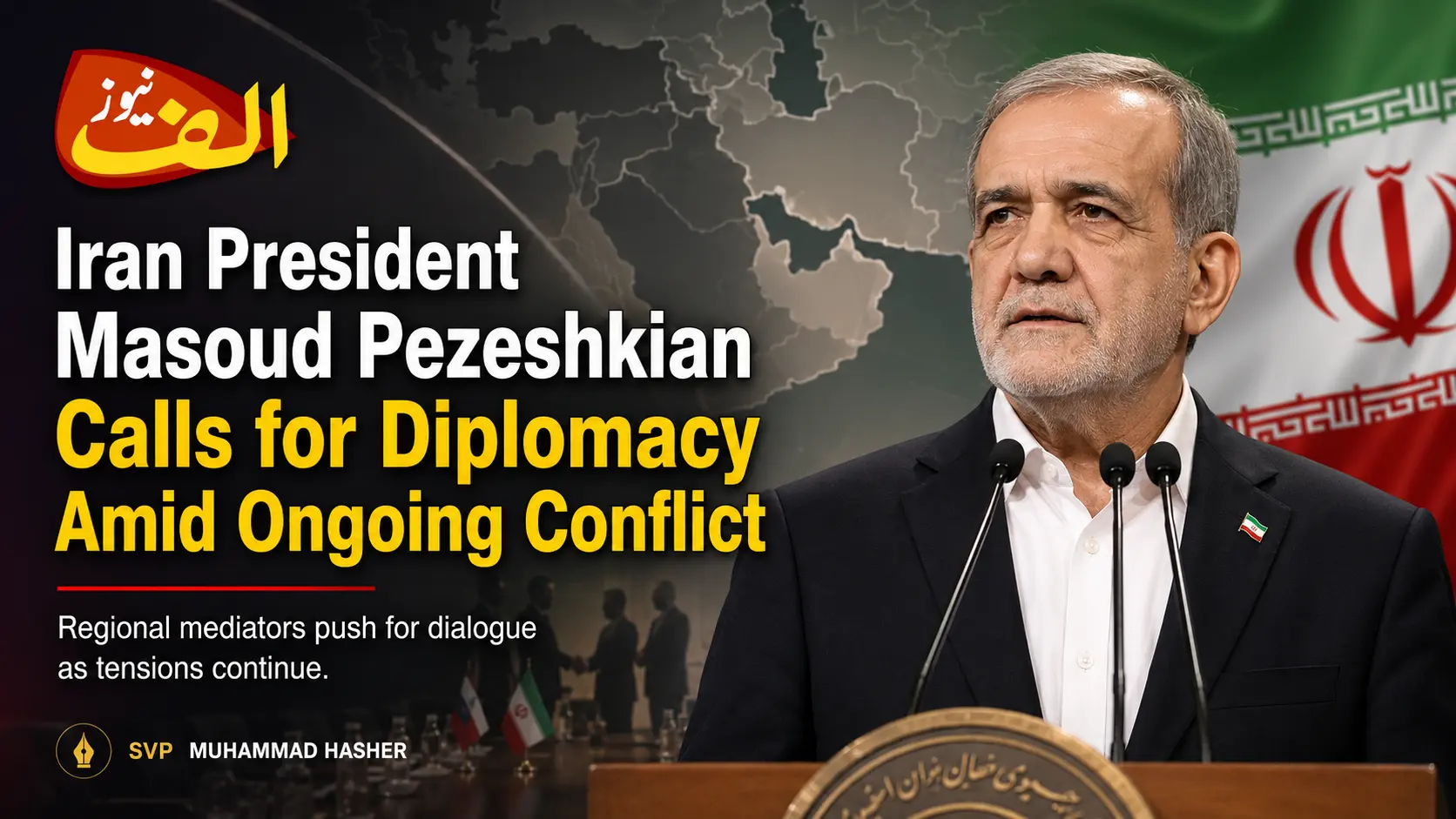
Iranian President Masoud Pezeshkian has renewed his call for diplomacy and dialogue as Iran continues to face a prolonged conflict, economic pressure and uncertainty over future negotiations.
The Iranian leader has argued that political differences should be resolved through negotiations rather than continued confrontation, putting diplomacy at the centre of his public message as regional mediators intensify efforts to reduce tensions.
Iranian President Masoud
Reuters reported on August 23 that although Tehran remains firm in its position, President Masoud Pezeshkian has called for a diplomatic solution to the conflict. His comments come as Iran faces mounting economic pressure from sanctions while tensions involving the United States and the strategically important Strait of Hormuz remain unresolved.
President Masoud Pezeshkian Pushes for Dialogue Instead of Continued Conflict
President Pezeshkian has repeatedly indicated that Iran should pursue a political solution while protecting what Tehran considers its national rights and interests.
His position reflects growing attention inside Iran toward finding a way out of the prolonged uncertainty surrounding the conflict.
Recent Iranian statements have also stressed that disputes should be addressed through dialogue. During diplomatic contacts with Qatar, Pezeshkian supported renewed implementation of an earlier framework aimed at resolving outstanding issues through negotiations rather than further confrontation.
The renewed push comes at a time when regional countries are attempting to create diplomatic channels between the parties.
Qatar Steps Up Mediation Efforts
Qatar has taken an increasingly important role in efforts to reduce tensions.
On August 28, Reuters reported that Qatar’s Prime Minister and Foreign Minister, Sheikh Mohammed bin Abdulrahman Al Thani, met senior Iranian officials in Tehran as diplomatic efforts focused particularly on restoring normal navigation through the Strait of Hormuz.
Qatar and Pakistan previously helped broker a memorandum of understanding in June that established a ceasefire framework and included arrangements connected to shipping through the Strait of Hormuz. However, disagreements over its implementation later disrupted that process.
The latest discussions indicate that regional states are again looking for a diplomatic route that could prevent further escalation.
Pakistan’s Role in Iran Peace Efforts
Pakistan has also played an important role in diplomatic efforts surrounding the Iran conflict.
Reuters reported that Pakistan had been mediating and that Pakistan’s Army Chief Field Marshal Asim Munir was expected to discuss recent developments during a visit to Tehran.
Pakistan’s involvement is significant because Islamabad maintains regional relationships that could help facilitate communication and reduce tensions.
Continued cooperation between Pakistan, Qatar and other regional countries could therefore become an important part of any future diplomatic process.
Strait of Hormuz Remains a Major Issue
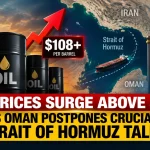
One of the most important unresolved issues remains the Strait of Hormuz, a strategic waterway connecting the Persian Gulf with international shipping routes.
Before the conflict, Reuters reported that the strait handled roughly 20% of the world’s oil supply, making stability in the area important not only for Iran and neighboring countries but also for global energy markets.
Iran has been preparing conditions for restoring more normal shipping traffic, while mediators continue discussions over possible arrangements.
A successful agreement over navigation could become an important first step toward wider diplomatic progress.
Economic Pressure Adds Urgency to Diplomacy
Iran’s economy has also come under substantial pressure.
International sanctions, damaged infrastructure and disruption to oil exports have increased the economic importance of finding a long-term political solution. Reuters reported that Washington has recently emphasized additional economic pressure while direct negotiations between the United States and Iran remain limited.
For President Pezeshkian, diplomacy could therefore serve several objectives: reducing the risk of renewed escalation, improving economic stability and creating conditions for wider regional cooperation.
What Happens Next?
The next phase will depend on whether mediators can bridge the differences between Iran and the United States.
For now, direct discussions remain limited, but Qatar, Pakistan and other regional actors continue to pursue diplomatic options.
President Masoud Pezeshkian’s emphasis on dialogue suggests that at least part of Iran’s political leadership remains interested in reaching an arrangement, provided Tehran believes its interests and rights are protected.
The situation remains fluid, particularly around sanctions, maritime security and the Strait of Hormuz. Any progress in these areas could help create a broader path toward de-escalation.
For readers following developments across Iran and the wider Middle East, Alif News will continue to provide updates as new diplomatic and political developments emerge.