




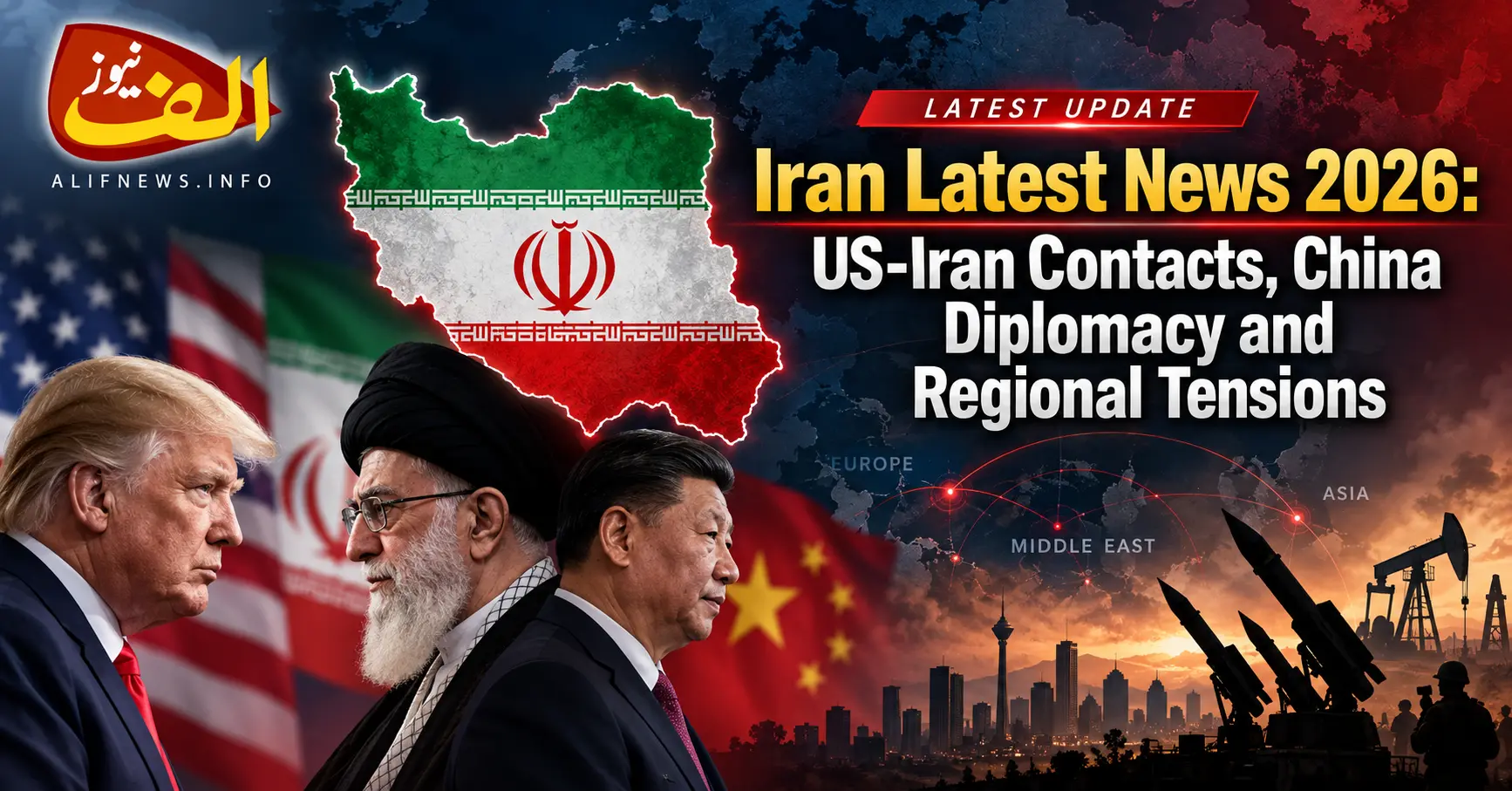
September 17, 2026 — The situation surrounding Iran and the wider Middle East is changing rapidly once again. Claims of possible diplomatic contacts between the United States and Iran, rising tensions involving Yemen’s Houthis, Saudi security concerns, and the impact on global oil markets have placed Iran back at the center of international attention.
New Hope for US-Iran Talks?
US President Donald Trump said on September 17 that direct contact had taken place between Washington and Tehran and expressed hope that the current conflict could move toward a possible resolution.
Iran Latest News 2026
However, Iranian authorities had not immediately confirmed that formal negotiations with the United States had resumed.
The development is significant because tensions between Iran and the United States have affected not only the Middle East but also global energy markets, shipping routes, and international trade.
China Urges Iran to Use Its Influence Over the Houthis
According to Reuters, China has privately urged Iran to use its influence over Yemen’s Houthis to help prevent further regional escalation.
The diplomatic move reportedly followed an appeal from Saudi Arabia.
Houthi activities around the Red Sea and the Bab el-Mandeb Strait have increased concerns about Saudi oil exports and the security of major international shipping routes.
The issue is particularly important for China because of its significant dependence on energy supplies from the Middle East.
Fighting in Yemen Raises Regional Concerns
Fighting involving Iran-aligned Houthi forces and Saudi-backed groups in Yemen has intensified, increasing concerns about the possibility of a wider regional conflict.
Reports have also indicated that civilians in some areas have attempted to flee by boat in search of safer locations.
The growing instability has renewed concerns over the security of the Red Sea and Bab el-Mandeb, both of which are critical routes for international trade and energy transportation.
UN Mission Issues Major Findings Related to Iran
A United Nations-backed fact-finding mission has reported that there are reasonable grounds to examine whether some US military actions in Iran could amount to war crimes.
The mission also reported serious findings concerning the conduct of Iranian authorities, including alleged human rights violations and possible crimes against humanity.
These findings represent the assessment of an investigative mission and should not be treated as final criminal judgments issued by an international court.
Diplomatic Tensions Between Iran and Sweden
Iran has also expelled a Swedish diplomat in what Tehran described as a retaliatory measure.
The action followed Sweden’s decision to expel an Iranian diplomatic official.
The latest move has added further strain to diplomatic relations between Iran and Sweden.
Iran Crisis Continues to Affect Oil Markets
Despite ongoing tensions in the Middle East, global crude oil prices fell by around 3 percent on September 17.
Reuters reported Brent crude trading at approximately $102.72 per barrel, while US West Texas Intermediate crude was around $100.47 per barrel.
The decline was linked in part to reduced fears of immediate major supply disruptions and reports of additional oil flows through alternative routes.
However, uncertainty remains high because military developments in the Middle East could still affect major energy facilities and international shipping routes.
What Happens Next?
Attention in the coming days is likely to remain focused on three major issues: whether the United States and Iran move toward a formal diplomatic process, whether tensions involving the Houthis and Saudi Arabia continue to escalate, and whether instability affects energy shipments through the Strait of Hormuz and the Red Sea.
For now, diplomatic efforts and military tensions are developing at the same time, meaning the regional situation could change rapidly.