

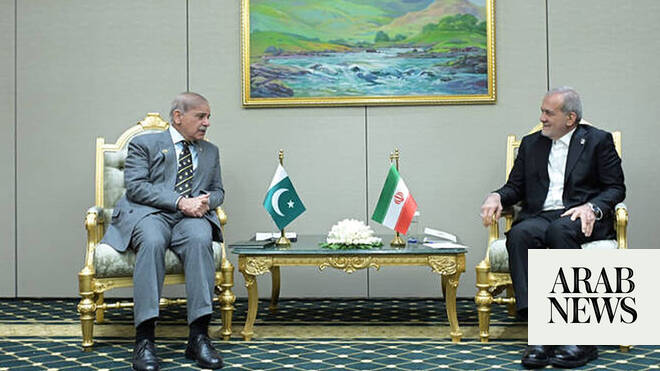
ISLAMABAD — August 4, 2026: Pakistan is hosting the 10th Pakistan-Iran Joint Trade Committee meeting in Islamabad, bringing government officials and business representatives from both countries together to discuss trade, investment, transport links and cross-border economic cooperation.
The meeting is being co-chaired by Pakistan’s Federal Minister for Commerce Jam Kamal Khan and Iran’s Minister for Industry, Mine and Trade Mohammad Atabak. Senior officials from the two governments are also participating in the discussions.
Large Iranian Business Delegation Arrives in Pakistan
According to the Government of Pakistan, Iran’s delegation includes 22 senior officials and a separate 16-member business group led by the Iran Chamber of Commerce, Industries, Mines and Agriculture.
The visiting business representatives belong to several important sectors, including:
- Food and agriculture
- Logistics and shipping
- Transportation
- Energy
- Manufacturing
Their participation gives the meeting a commercial focus, rather than limiting the discussions to government-level diplomatic statements.
What Will Pakistan and Iran Discuss?
The Joint Trade Committee is expected to review existing economic initiatives and identify barriers that continue to restrict business between the neighbouring countries.
The official agenda includes progress toward a possible Pakistan-Iran Free Trade Agreement, easier cross-border commerce, improved customs procedures, banking cooperation and stronger transport and transit connectivity.
Both sides will also explore opportunities for new investment and closer links between private companies.
Why the Meeting Matters for Pakistan
Pakistan shares a long border with Iran, but trade between the two countries has often remained below its full potential. Complicated banking channels, customs delays, transport limitations and regional political pressures have made it difficult for businesses to expand commercial activity.
Improved cooperation could benefit Pakistani exporters, particularly companies working in agriculture, food products, textiles, manufacturing and logistics.
Better road, shipping and border infrastructure could also help Pakistan connect more effectively with Iran and wider markets in Central Asia and the Middle East.
Banking and Payment Systems Remain the Key Challenge
One of the most important issues is likely to be the development of practical and legally compliant payment systems.
Businesses cannot expand trade simply through political agreements. They require reliable banking arrangements, transparent customs rules, predictable border procedures and secure transportation networks.
Without progress in these areas, trade announcements may produce limited results for ordinary exporters and importers.
Opportunities for Pakistani Agriculture
Agriculture could become one of the most promising areas of cooperation.
Only two days before the trade meeting, the Embassy of Pakistan organised the first Pakistan Mango Festival in Tehran. The event promoted Pakistani mangoes among Iranian consumers and presented agricultural exports as a way to strengthen both trade and people-to-people relations.
Events of this kind can help Pakistani farmers and exporters introduce their products to new markets. However, long-term success will depend on product quality, competitive pricing, reliable supply and efficient transportation.
From Agreements to Implementation
The Islamabad meeting shows that Pakistan and Iran want to deepen their economic relationship and improve regional connectivity. The presence of business leaders is especially important because private-sector participation can convert official discussions into real commercial projects.
However, the success of the talks should not be measured only by memorandums or public announcements.
The real test will be whether both governments establish clear deadlines, reduce trade barriers and make it easier for businesses to move goods and receive payments.
Conclusion
The 10th Pakistan-Iran Joint Trade Committee meeting offers Pakistan an opportunity to expand exports, attract investment and strengthen trade routes with a major neighbouring market.
Progress on customs, banking, transit and the proposed Free Trade Agreement could create new opportunities for businesses on both sides of the border.
For Pakistan, stronger regional trade could also reduce dependence on distant markets and support a more connected, export-focused economy.