

Pakistan-administered Kashmir is facing one of its most serious political crises in recent years as disputed regional elections continue amid deadly clashes, opposition boycotts, protest shutdowns and severe communication disruptions.
The election was originally expected to take place in a single round on July 27, but officials divided voting into three phases because of security concerns. The first two stages were held on July 27 and August 2, while the final round is scheduled for August 10.
Elections Held Under Heightened Tension
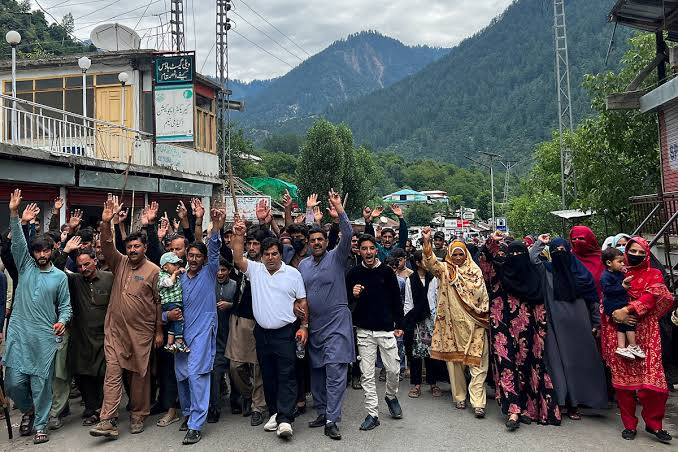
The vote is taking place after weeks of unrest led by the Jammu and Kashmir Joint Awami Action Committee, commonly known as the JAAC.
The regional government banned the organisation in June. Its supporters have continued demanding electoral reforms and greater economic concessions for residents.
Businesses in Muzaffarabad and other areas have observed shutdowns, while protesters have called for an election boycott.
Road, banking and internet services have also faced major disruptions, limiting the movement of residents and making independent verification of events more difficult.
Disputed Reports of Casualties
The number of people killed during the unrest remains heavily disputed.
The JAAC claimed that more than 30 people were killed around Rawalakot during clashes with security forces. Reuters said it could not independently verify that figure because of communication restrictions in the region.
Authorities confirmed the death of one security official and injuries to five others. An official also acknowledged at least three protester deaths in Mirpur during the week covered by the initial voting phase.
Other local and activist estimates have reported higher casualties, but no comprehensive and independently verified official death toll has been released.
The lack of reliable information is itself becoming part of the crisis. When communications are restricted, rumours can spread quickly while families and journalists struggle to determine what has happened.
PTI Boycotts the Election
Pakistan Tehreek-e-Insaf, which won the previous regional election in 2021, boycotted the current vote over allegations of electoral fraud.
In the opening phase, the Pakistan Muslim League-Nawaz won nine of the 13 seats contested in Mirpur, Kotli and Bhimber.
Government representatives have rejected allegations that the election was manipulated. However, opposition groups, protesters and some local residents have continued questioning the credibility of voting under security restrictions and political tension.
Why the Disputed Refugee Seats Matter
A major source of disagreement involves 12 of the 45 directly elected seats in the regional legislative assembly.
These seats represent constituencies defined as refugees from Indian-administered Kashmir. Critics argue that the representatives are often elected by voters living outside Azad Jammu and Kashmir and can be used by Pakistan’s federal political parties to influence the formation of the regional government.
Pakistani officials reject allegations of political manipulation.
The issue has become increasingly important because the party forming the next government may depend on support from representatives holding these disputed seats.
That could make it difficult for a new regional administration to gain public trust or negotiate a lasting settlement with protest groups.
Economic Frustration Fuels the Protests
The unrest is not only about election rules.
Residents have previously protested against high electricity prices, limited economic opportunities and what they describe as political neglect. The region produces hydropower, yet many residents have argued that they do not receive affordable electricity or sufficient economic benefits.
The JAAC emerged as an influential protest movement after being established in 2023 and channelled existing public frustration into demands for political and electoral reforms.
This means the current crisis cannot be resolved only by completing the election timetable. The underlying economic and governance concerns will remain after voting ends.
Authorities and Protesters Offer Conflicting Accounts
Pakistani authorities have alleged that armed groups and outside-backed elements entered the protest movement and attacked security personnel.
Protest leaders reject the government’s description of their movement and accuse authorities of using excessive force against civilians.
These conflicting accounts require an independent and transparent investigation.
Without credible evidence and public accountability, each side is likely to continue blaming the other, making reconciliation more difficult.
Communication Restrictions Create Further Concern
Internet access has reportedly been partially restricted since early June, while telecommunications have remained limited in parts of the region.
Communication shutdowns can prevent people from contacting relatives, accessing banking services, reporting emergencies and documenting possible abuses.
They also create problems for election transparency. Journalists, observers and political parties need access to information to examine turnout, polling conditions and allegations of irregularities.
Restoring reliable communications could therefore become an important step toward rebuilding public confidence.
What Happens Next?
The third and final election phase is scheduled for August 10.
However, completing the vote will not automatically end the political crisis. The regional and federal authorities will still need to address casualty claims, restore communications, investigate alleged violence and begin negotiations over electoral and economic grievances.
The credibility of the final result will depend on whether residents believe the remaining voting can take place freely, safely and transparently.
A Need for Dialogue and Accountability
A political solution will require more than security deployments.
Authorities should allow independent investigations into deaths and injuries, release verified casualty figures and explain the legal basis for communication restrictions.
Protest representatives must also clearly distance themselves from violence and engage through peaceful negotiations.
Dialogue should include elected representatives, civil society, traders, lawyers, families of victims and local communities.
Conclusion
The Azad Kashmir election crisis has become a wider challenge involving political representation, economic frustration, public trust and state accountability.
The disputed vote is only one part of the problem.
Unless authorities address the underlying grievances and provide a credible account of the violence, unrest may continue even after the final ballots are cast.
Pakistan now faces a critical choice: manage the situation mainly as a security problem or pursue a transparent political settlement based on dialogue, accountability and meaningful reform.