

Islamabad protest September 27 Security Tightens Before Protest, Islamabad and Rawalpindi are heading into another tense political week.
Shipping containers are already appearing around key routes, thousands of police personnel are being mobilised, educational institutions are being used to accommodate security forces, and political statements from both the government and Pakistan Tehreek-e-Insaf are becoming increasingly confrontational.
At the centre of the standoff is the Islamabad protest September 27 2026, scheduled for September 27.
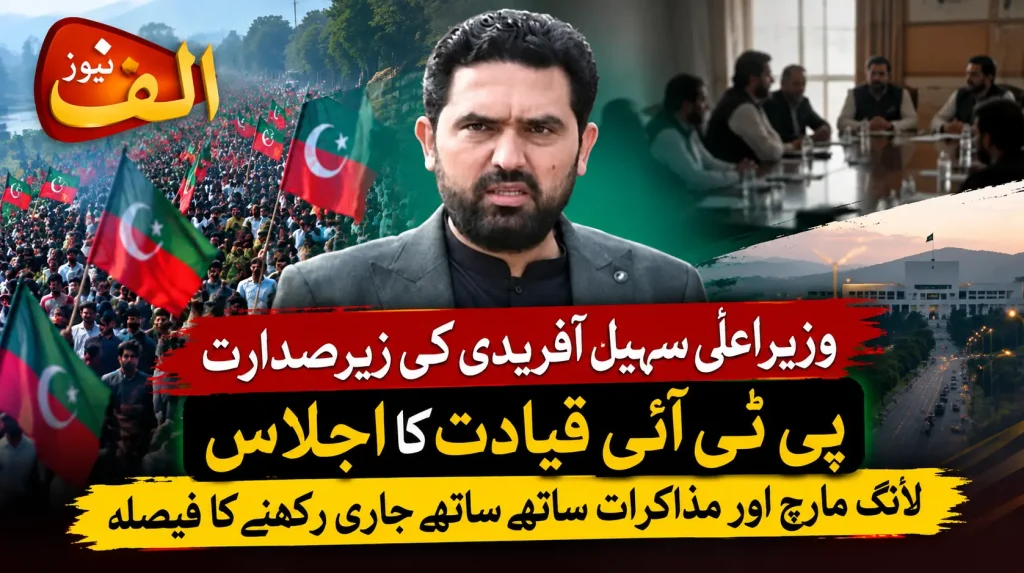
PTI says the march is intended to press for the release of former prime minister Imran Khan and what the party describes as restoration of constitutional and democratic rights. Government officials say peaceful political activity must remain within the law and warn that violence, road blockades or attempts to force entry into sensitive areas will not be tolerated.
For residents of the twin cities, however, the immediate question is less political: what will happen to roads, schools, businesses and daily life if the confrontation escalates?
Islamabad Security Preparations Are Already Extensive
The scale of the preparations is significant.
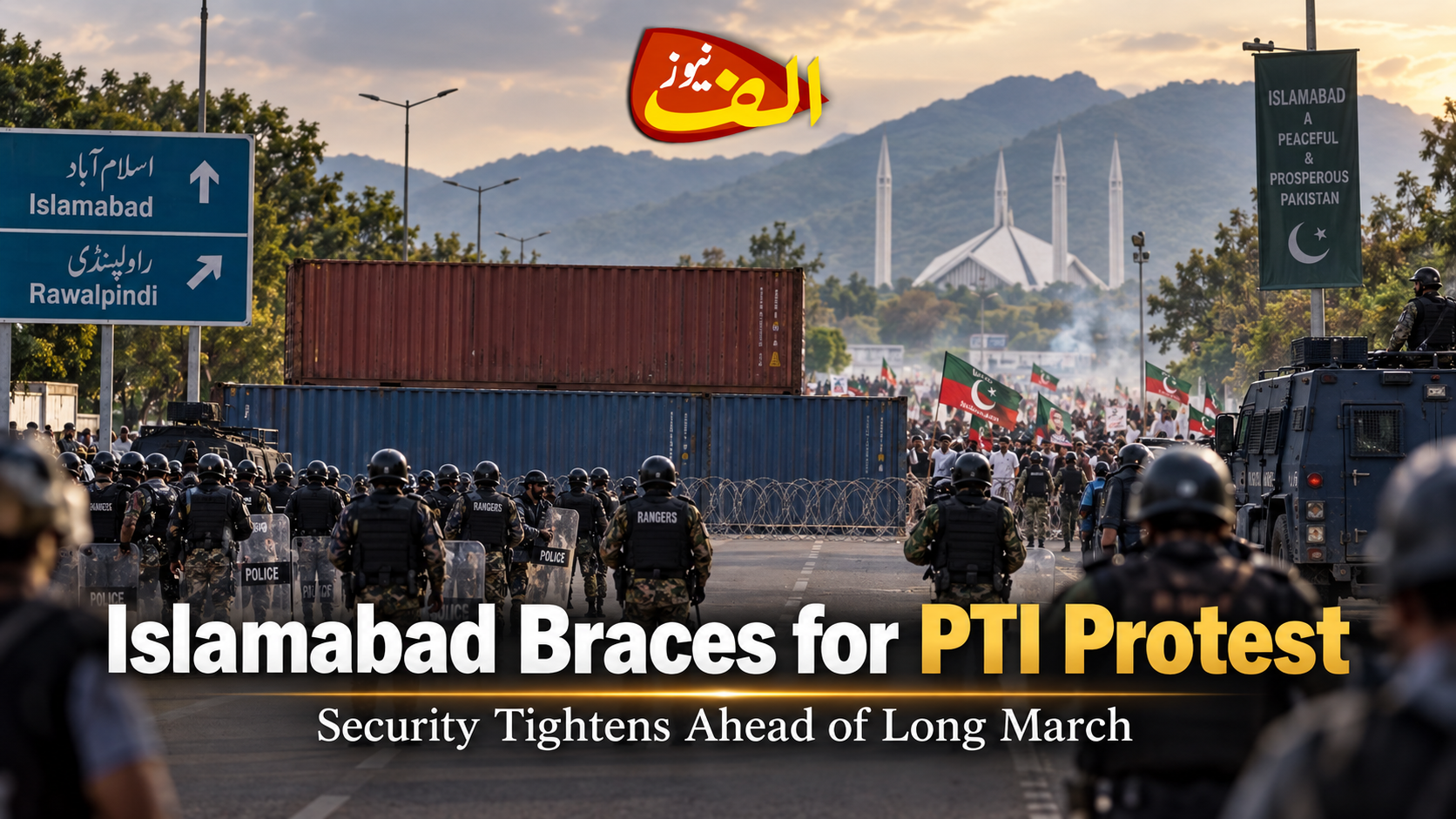
Dawn reported on September 22 that more than 2,000 containers had been deployed or arranged at key locations in Islamabad and Attock, while Islamabad police were preparing for a protest turnout they estimated at around 20,000 to 25,000 people. Police have also sought reinforcements, anti-riot equipment and additional personnel from Punjab and Sindh.
More than 22,000 security personnel are expected to be deployed in Islamabad, while tens of thousands more are being positioned in Rawalpindi Division and Attock, a major route between Khyber Pakhtunkhwa and Punjab.
Containers are being positioned near the Red Zone, major highways and entry points, with authorities preparing restrictions around Srinagar Highway, Islamabad Expressway and other strategic routes.
These measures mean that disruption could begin before the march itself reaches Islamabad.
Why September 27 Matters to PTI
PTI has been preparing for the mobilisation for weeks.
Party leaders say the protest is linked primarily to the continued incarceration of Imran Khan, restrictions on meetings with him and broader political grievances.
Khyber Pakhtunkhwa Chief Minister Sohail Afridi has said the September 27 date is firm, while other PTI leaders have described the mobilisation as a major national protest.
Alif News previously covered the legal and political issues around Adiala Jail, including police cases, restrictions on access to Imran Khan and preparations for the September 27 mobilisation.
Read: Police Case & Adiala Jail Protest — Latest PTI Updates
The current march is therefore not an isolated protest. It is the latest stage in a longer confrontation involving PTI, the federal government, provincial administrations, courts and law-enforcement agencies.
Government Warnings Have Become Sharper
Interior Minister Mohsin Naqvi has said the government will stop attempts to march on Islamabad through every lawful means available to it and has warned organisers about responsibility for violence or loss of life.
State Minister for Interior Talal Chaudhry has made an important distinction in his public statements: he said peaceful citizens could come to Islamabad but warned that people engaging in what the government regards as terrorism or unlawful violence would face a strong response.
The language has alarmed PTI.
Party leaders argue that such statements, combined with containers, arrests and police mobilisation, create the impression that authorities intend to prevent the protest rather than simply regulate it.
The government disputes that interpretation and says it has a responsibility to protect Islamabad, public property and ordinary citizens.
What About Claims That Protesters Could Be Shot?
This is one area where careful reporting matters.
Social media posts and political discussion have circulated claims that PTI leaders were directly warned not to come to Islamabad or they would be shot.
Alif News could not independently verify a reliable source establishing that such a direct message was formally delivered by the military establishment in those exact words.
What is documented is that PTI Khyber Pakhtunkhwa President Junaid Akbar publicly said his party expected that state forces could open fire during the march and warned that PTI workers would respond differently from previous protests.
That is a statement from a PTI leader about what he believes may happen; it is not independent proof that a shoot order has been issued.
Government officials, meanwhile, have publicly framed their warnings around unlawful or violent conduct rather than announcing a general policy of firing on peaceful protesters.
That distinction should remain clear as political rhetoric intensifies.
Arrests Have Added to the Tension
The situation became even more politically charged after the detention of Imran Khan’s sisters.
Reuters reported that Aleema Khan was detained ahead of the planned march, with authorities citing public-order concerns. PTI condemned the action and described it as part of a broader attempt to weaken mobilisation before September 27.
The Guardian subsequently reported that Aleema Khan, Uzma Khan and Noreen Niazi had been detained under public-order provisions, while their lawyer challenged the detentions in court.
These arrests have strengthened PTI’s argument that political space is being restricted.
Authorities, however, maintain that preventive measures are connected to public order and the risk of unrest.
The Constitution Protects Peaceful Assembly — But Not Without Limits
The current dispute is also a legal one.
Article 16 of Pakistan’s Constitution protects the right of citizens to assemble peacefully and without arms, while allowing reasonable restrictions imposed by law in the interest of public order.
Read the Constitution of Pakistan — National Assembly
That means neither side’s position can be reduced to the claim that protest rights are unlimited or that peaceful assembly has no constitutional protection.
The Islamabad High Court recently ruled that political parties do not have the lawful right to occupy roads, highways, toll plazas or public buildings in a way that prevents citizens from moving freely, reaching hospitals or schools, or carrying out lawful business. At the same time, the judgment recognised peaceful political dissent and assembly as constitutional rights that must be exercised within the law.
This is the legal tension at the heart of September 27:
PTI claims a constitutional right to peaceful protest. Authorities say that right does not extend to blocking the capital or violating the rights of other citizens.
“No Rule of Law” Is a Political Claim, Not an Established Fact
As arrests, barricades and strong government warnings increase, PTI supporters and government critics have increasingly argued that the rule of law is disappearing in Pakistan.
That is a serious political criticism, but it should not be presented as an uncontested fact.
PTI points to detentions, restrictions on political mobilisation, disputes over access to Imran Khan and previous confrontations with police as evidence of what it describes as declining constitutional protections.
The government and courts, by contrast, say restrictions are being applied under laws governing public order and that protesters must respect judicial orders and the fundamental rights of other citizens.
The real question is therefore not simply whether “law exists.”
It is whether laws and constitutional rights are being applied fairly, proportionately and consistently — a question that courts, political parties, civil-society organisations and citizens continue to debate.
Rawalpindi Could Be Just as Important as Islamabad
Rawalpindi is not merely a neighbouring city in this protest.
Adiala Jail, where Imran Khan is imprisoned, has remained one of the most politically sensitive locations connected with PTI’s campaign.
Security around Rawalpindi has been increased, police pickets have been established and additional forces are being mobilised.
PTI leaders have previously indicated that Rawalpindi and the Adiala Jail area could become part of the broader protest strategy depending on circumstances. Alif News has reported extensively on earlier confrontations and restrictions around the jail.
Read: PTI September 27 Protest Legal Showdown
Sohail Afridi’s Punjab Visit Was an Early Warning
Recent events in Lahore showed how quickly political mobilisation can become a policing confrontation.
During Sohail Afridi’s Punjab visit, road restrictions, Section 144, detentions and disputes between PTI and the Punjab government produced traffic disruption and political controversy.
PTI described several measures as political victimisation, while Punjab authorities said they were acting to maintain public order. Alif News documented both accounts.
Read: Sohail Afridi in Punjab — Why Did His Visit Face Obstacles?
The Islamabad march now presents the same tensions on a much larger scale.
Ordinary Citizens May Pay the Immediate Price
Whatever happens politically, residents may experience the consequences first.
Road closures can affect:
- Office workers
- Students
- Hospitals and ambulances
- Public transport
- Businesses
- Inter-city travel
- Deliveries
- Airport journeys
Dawn reports that some educational institutions being used to accommodate police personnel have already been closed, while extensive restrictions could produce congestion across Islamabad and Rawalpindi.
This is why the balance between political protest and civilian movement matters.
Neither protesters nor authorities operate in an empty city.
Millions of people simply need to reach work, school, hospitals and home.
Is Dialogue Still Possible?
Despite the increasingly confrontational language, communication has not completely disappeared.
Geo News reported on September 22 that contacts between PTI figures and authorities had taken place, but a significant trust deficit prevented a breakthrough. The discussions reportedly included possible de-escalation arrangements if PTI reconsidered the march, though no agreement had been reached.
That leaves several possibilities before September 27.
There could still be negotiations.
PTI could modify its protest plan.
Authorities could adjust security measures.
Or both sides could remain on their current course and face each other around the capital.
What Happens Next?
The coming days will determine whether the PTI Islamabad march 2026 becomes a peaceful political demonstration, a prolonged blockade or another confrontation between protesters and law-enforcement agencies.
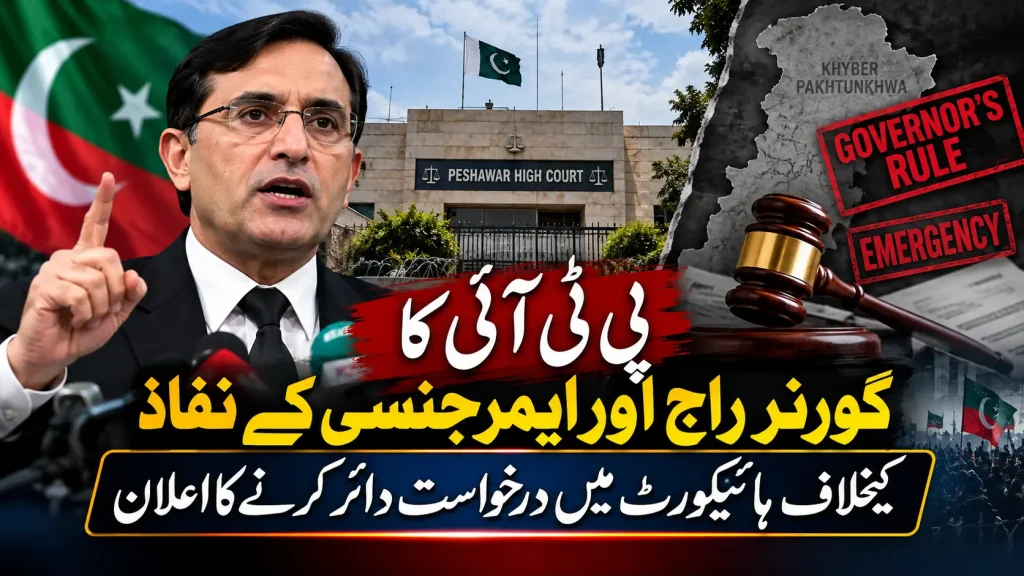
PTI Chairman Barrister Gohar has publicly said the march will remain peaceful and lawful.
Government officials say peaceful protest must remain within legal limits and have warned against violence or disruption.
Between those positions sit Islamabad and Rawalpindi — cities preparing for thousands of protesters and tens of thousands of security personnel.
The strongest test will not be the political speeches made before September 27.
It will be whether both sides can exercise their respective powers and rights without turning a political dispute into violence.
For Pakistan, the larger issue reaches beyond one march.
It concerns how political dissent, public order, constitutional rights and state authority coexist when trust between political opponents has nearly disappeared.