

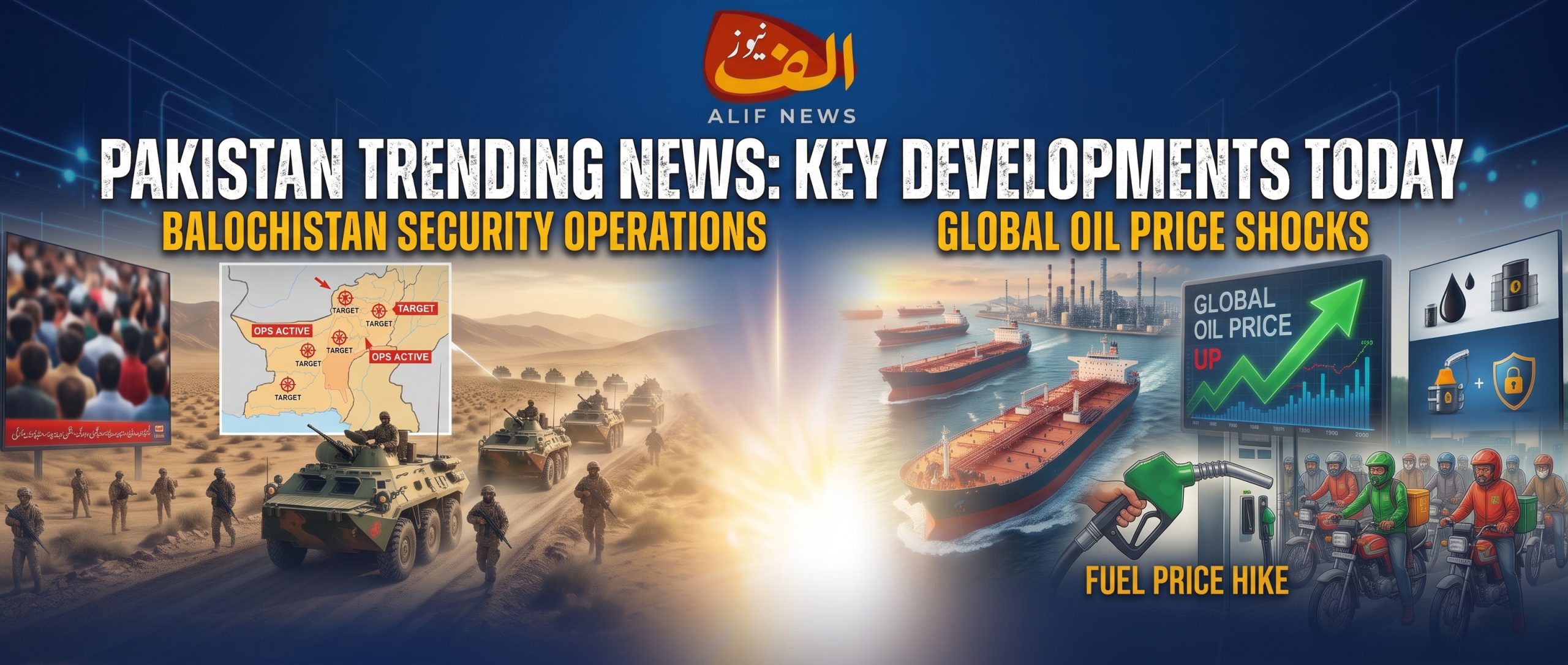
Balochistan security operations and oil prices Pakistan, If you look at the front pages across Pakistan this week, the national mood is being defined by two distinct, unrelenting pressures: what is unfolding along the rugged terrain of Balochistan, and what is ticking up on the digital meter at the local petrol pump.
One is a high-stakes battle for territorial stability; the other is an everyday struggle to keep household balance sheets from collapsing. Together, they illustrate the complex reality facing the country right now—where national security imperatives and macroeconomic headwinds collide in real-time.
1. The Security Front: High-Intensity Operations Across Balochistan
In Balochistan, the security posture has shifted into high gear. Law enforcement agencies and military units have intensified intelligence-based operations (IBOs) across critical transit corridors, mountain passes, and border frontiers following recent surges in militant activity.
The stakes could not be higher. Security in the province is no longer discussed solely in terms of law and order; it is tied directly to Pakistan’s economic sovereignty:
- Strategic Corridors Under Guard: Ground forces have bolstered static checkpoints and mobile patrols along vital trade highways, including routes connected to Gwadar and key mining belts.
- Preemptive Strikes: Recent briefings confirm that targeted raids have focused on disrupting sleeper networks, dismantling logistic support bases, and intercepting weapon caches before coordinated strikes can hit urban centers.
- The Civilian Toll: Behind the operational success metrics lies the lived experience of local populations navigating heavy security sweeps, travel diversions, and the lingering anxiety that accompanies ongoing military vigilance.
Officials have repeatedly stressed that internal cohesion among state institutions is paramount. For development initiatives to take root and foreign industrial investments to materialize, security forces must establish an enduring peace that protects both vital infrastructure and local communities.
2. The Kitchen-Table Crisis: Global Oil Shocks Hit Domestic Pockets
While security forces maintain the frontline, working families and small businesses are absorbing a direct hit from the international energy market.
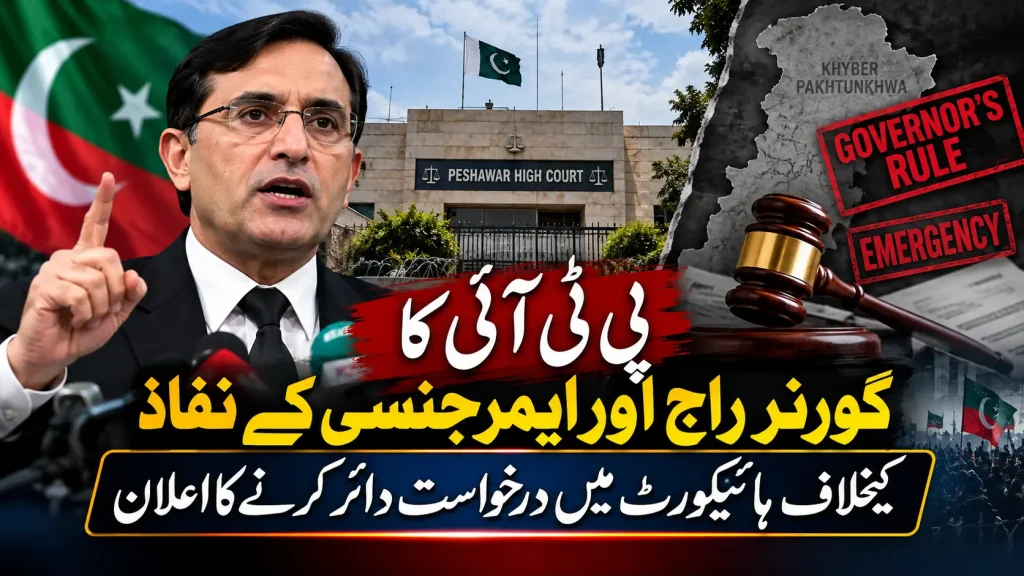
With benchmark Brent crude fluctuating near multi-week highs driven by ongoing Middle East volatility and supply anxieties, the ripple effects have crashed straight into Pakistan’s retail fuel sector. The government’s revised daily and weekly pricing adjustments—designed to pass global market rates directly to the consumer—have pushed petrol and high-speed diesel prices to punishing levels. PTI September 27 protest legal showdown.
The consequences are felt immediately:
- Logistics & Freight Inflation: Because diesel powers nationwide freight networks, heavy trucks, and inter-city agricultural hauling, every single rupee added to diesel trickles down to wholesale grain markets and vegetable stalls within 48 hours.
- The Exporter Dilemma: The Federation of Pakistan Chambers of Commerce & Industry (FPCCI) has voiced growing alarm. Local manufacturers warn that inflated inland transportation costs and steep energy tariffs are eroding export competitiveness against regional competitors.
- The Commuter’s Arithmetic: For the delivery rider on a motorcycle, the small van driver doing morning school routes, or the family managing monthly budgets, fuel is no longer an incidental cost—it is an aggressive financial squeeze. Balochistan security operations and oil prices Pakistan
3. The Intersecting Challenge: Stability Demands Solvency
It is easy to treat counter-terror operations and fuel price tariffs as separate news beats. In reality, they are two sides of the same coin. Balochistan security operations and oil prices Pakistan.
Security operations require substantial administrative bandwidth, logistics networks, and public financing—all of which depend on a resilient economy. Conversely, sustainable economic recovery cannot occur without stable border regions and safe logistics arteries. When international crude markets shock domestic purchasing power, public endurance is tested, making governance far more precarious.
What Comes Next?
Pakistan is navigating an era where external global turbulence instantly penalizes domestic stability. Managing this reality will require a pragmatic strategy:
- Targeted Industrial & Logistics Relief: Re-evaluating domestic petroleum levies on vital supply chains to prevent an unchecked spiral of food and goods inflation.
- Community-Centric Security: Ensuring counter-terrorism operations across Balochistan build durable trust with local civilian populations to deny extremist recruitment.
- Decisive Energy Diversification: Transitioning commercial transport and industrial power away from imported fuel reliance so external shocks no longer dictate domestic living standards.
Balochistan security operations and oil prices Pakistan
The coming weeks will prove crucial. As operations continue across the western frontiers and global oil markets react to international developments, Pakistan’s resilience will be measured not just by military resolve, but by how effectively the system protects everyday citizens from economic exhaustion.