


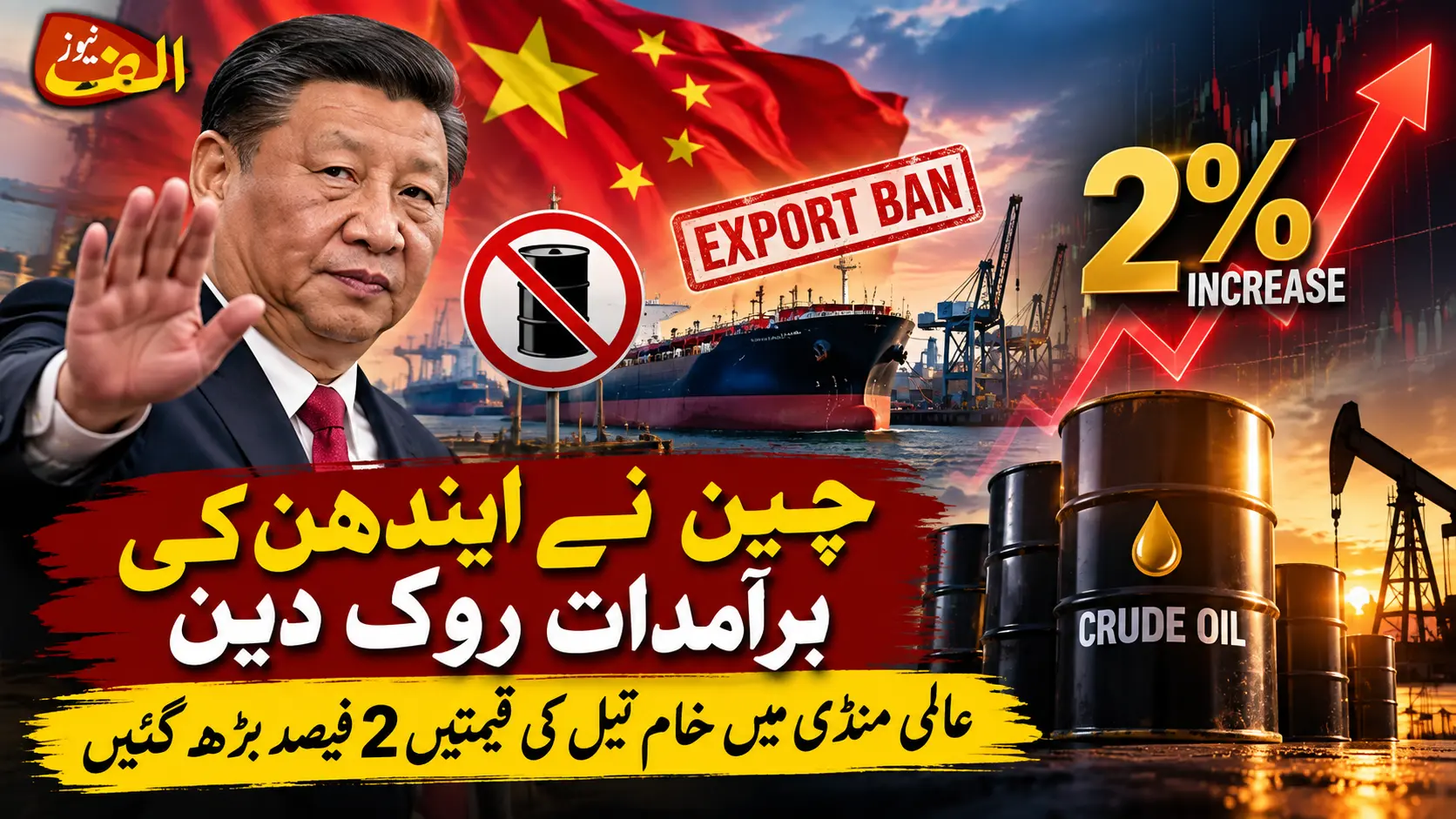
Global energy markets faced renewed pressure on October 1, 2026, after reports emerged that Chinese refiners had suspended exports of petroleum products to destinations outside Hong Kong and Macau. The development quickly affected market sentiment, contributing to an approximately 2% rise in international crude oil prices as traders assessed the possibility of tighter global fuel supplies.
The decision comes at a particularly sensitive time for the global energy market. Supplies of refined fuels are already under pressure from disruptions affecting the Middle East and Russia, while governments and energy companies are attempting to secure adequate stocks of diesel, gasoline and aviation fuel.
China is one of the world’s most important refining centers, so a reduction in its overseas fuel shipments can have consequences well beyond the Chinese market.
What Has China Stopped Exporting?
An important distinction is that the reported suspension concerns refined petroleum products rather than China’s crude oil exports.
According to Reuters, Chinese refiners suspended exports of oil products to markets outside Hong Kong and Macau while awaiting further direction from Beijing. The affected products include fuels such as gasoline, diesel and jet fuel.
State-owned PetroChina also cancelled some gasoline and jet-fuel cargoes that had been scheduled for October. Another major refiner, Zhejiang Petrochemical Corp., reportedly did not schedule petroleum-product shipments during China’s holiday period.
The duration of the restrictions remains uncertain. Whether exports resume after China’s Golden Week holiday may depend on domestic inventories and refinery production.
Why Has China Suspended Fuel Exports?
One of the main factors appears to be China’s focus on protecting its domestic energy supplies.
Maintaining sufficient fuel inventories at home becomes particularly important when international markets are experiencing supply disruptions and elevated prices. By limiting exports, refiners can retain more gasoline, diesel and other products for the domestic market.
China’s decision therefore has two major implications: it may improve the availability of fuel within China, while simultaneously removing supplies that international buyers had expected to receive.
This creates additional competition for alternative sources of refined petroleum products.
Crude Oil Prices Jump Around 2%
Oil markets reacted strongly to the news.
Reuters reported that Brent crude futures for December rose to around $100.09 per barrel, while U.S. West Texas Intermediate crude reached approximately $92.48 per barrel as prices climbed roughly 2%.
The rebound was particularly notable because oil prices had initially declined earlier in the trading session.
The change in direction illustrates how sensitive energy markets currently are to developments affecting fuel availability.
Although China’s restrictions directly concern refined products, rather than crude production, reduced availability of gasoline, diesel and jet fuel can influence the wider petroleum market. Refining margins, refinery demand for crude and expectations about future inventories can all affect crude oil prices.
Global Fuel Supplies Were Already Under Pressure
China’s action is occurring against a difficult international supply backdrop.
Global diesel markets have been experiencing significant pressure amid disruptions to refining and exports. Middle Eastern supply problems and attacks affecting Russian refining infrastructure have contributed to concerns about the availability of refined products.
Russia has also been restricting diesel exports, adding another layer of uncertainty to international fuel markets.
When supplies from several major producing or refining countries are disrupted simultaneously, buyers must compete for fewer available cargoes. That competition can increase wholesale prices and eventually affect retail fuel costs.
Asian Diesel Market Feels the Impact
The effect was particularly visible in Asian refining markets.
Following reports about China’s export suspension, Asian diesel refining margins climbed sharply, reaching around $75–$76 per barrel.
Refining margins measure, in simplified terms, the difference between the cost of crude oil and the value of petroleum products produced from it. Higher margins can indicate strong demand or tight supplies of refined products.
China’s absence from the export market therefore matters considerably for Asian buyers that normally depend on regional supplies of diesel, gasoline and aviation fuel.
Why China’s Role Matters to Global Energy Markets
China is both a huge energy consumer and one of the world’s most important refining hubs.
Its domestic energy policies can therefore influence international markets in several ways. When Chinese refiners increase exports, additional supplies can help ease regional shortages. When exports decline, buyers must seek fuel from other suppliers.
The latest situation demonstrates the growing importance of refining capacity in global energy security.
Oil markets are not determined solely by how much crude oil is produced. Refinery availability, shipping routes, fuel inventories and government export policies can be equally important in determining the price consumers eventually pay.
Could Petrol and Diesel Prices Rise?
If China’s restrictions remain in place for an extended period, international gasoline, diesel and aviation-fuel markets could face additional upward pressure.
However, the eventual effect on retail prices will depend on several factors, including:
- How long China maintains the export restrictions
- Whether Chinese refiners receive new export permissions
- Global crude oil production levels
- Middle Eastern supply conditions
- Russian refinery and export availability
- International diesel inventories
- Refinery utilization rates
- Shipping and transportation costs
- Currency movements in individual countries
A short-lived suspension could have a relatively limited effect. A prolonged restriction combined with additional supply disruptions could create much stronger pressure.
Impact on Oil-Importing Economies
Higher international crude and refined-fuel prices can be particularly challenging for countries that rely heavily on imported energy.
When oil becomes more expensive, import bills increase. Transport and electricity-generation costs may also rise, depending on a country’s energy mix.
Businesses can then face higher logistics and production expenses. Those additional costs may eventually be reflected in consumer prices, contributing to inflation.
Currencies of major oil-importing economies can also come under pressure because more foreign currency is required to pay for energy imports.
What Could It Mean for Pakistan?
Pakistan is particularly sensitive to changes in international petroleum prices because it depends substantially on imported energy.
A sustained increase in crude oil and refined-product prices could increase Pakistan’s petroleum import bill and create additional pressure on foreign-exchange requirements.
International prices are not the only factor determining domestic petrol and diesel prices, however. Exchange rates, taxation, petroleum levies, freight costs and government pricing decisions also play important roles.
Therefore, a 2% increase in global crude prices does not automatically translate into an equivalent increase at Pakistani filling stations.
Nevertheless, prolonged strength in international oil prices would be an important factor for Pakistan’s inflation, transportation costs and external accounts.
Other Factors Could Limit the Price Increase
Despite concerns about China’s export suspension, there are also factors that could reduce upward pressure.
Middle Eastern crude shipments have shown signs of recovery. Saudi Arabia has resumed tanker loadings from the Red Sea port of Yanbu after restarting its East-West Pipeline, improving part of the region’s export outlook.
Earlier on October 1, oil prices had actually declined as recovering Gulf exports and an unexpected increase in U.S. inventories reduced some supply concerns.
This demonstrates that the oil market is currently being pulled in different directions.
China’s restrictions and refined-fuel shortages support higher prices, while recovering crude exports and larger inventories can place downward pressure on them.
What Happens Next?
Attention will now focus heavily on Beijing’s next decision.
China’s Golden Week holiday runs through October 7, and it remains uncertain whether authorities will allow refininers to resume normal overseas shipments afterward.
Traders will also monitor China’s domestic fuel inventories. If stocks remain low, Beijing may continue prioritizing domestic supplies.
At the same time, markets will watch developments in the Middle East, Russian fuel availability, U.S. inventories and Saudi export flows.
Any significant disruption in these areas could amplify the effect of China’s restrictions.
Global Energy Market Enters Another Period of Uncertainty
China’s suspension of fuel exports illustrates how quickly conditions in international energy markets can change.
The immediate market reaction — with crude oil prices rising around 2% — reflects concerns that already-tight refined-product supplies could become even tighter.
For consumers, businesses and governments, the biggest question is not simply whether oil prices rose today. The more important issue is how long China’s restrictions remain in place and whether alternative suppliers can compensate for the missing fuel.
If Chinese exports resume relatively quickly and Middle Eastern supplies continue recovering, pressure could ease. If restrictions persist while disruptions elsewhere continue, gasoline, diesel and aviation-fuel markets could face a more prolonged period of elevated prices.
For energy-importing countries such as Pakistan, developments in the global oil market will therefore remain important for inflation, transportation costs, the import bill and broader economic conditions.