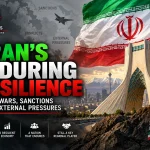





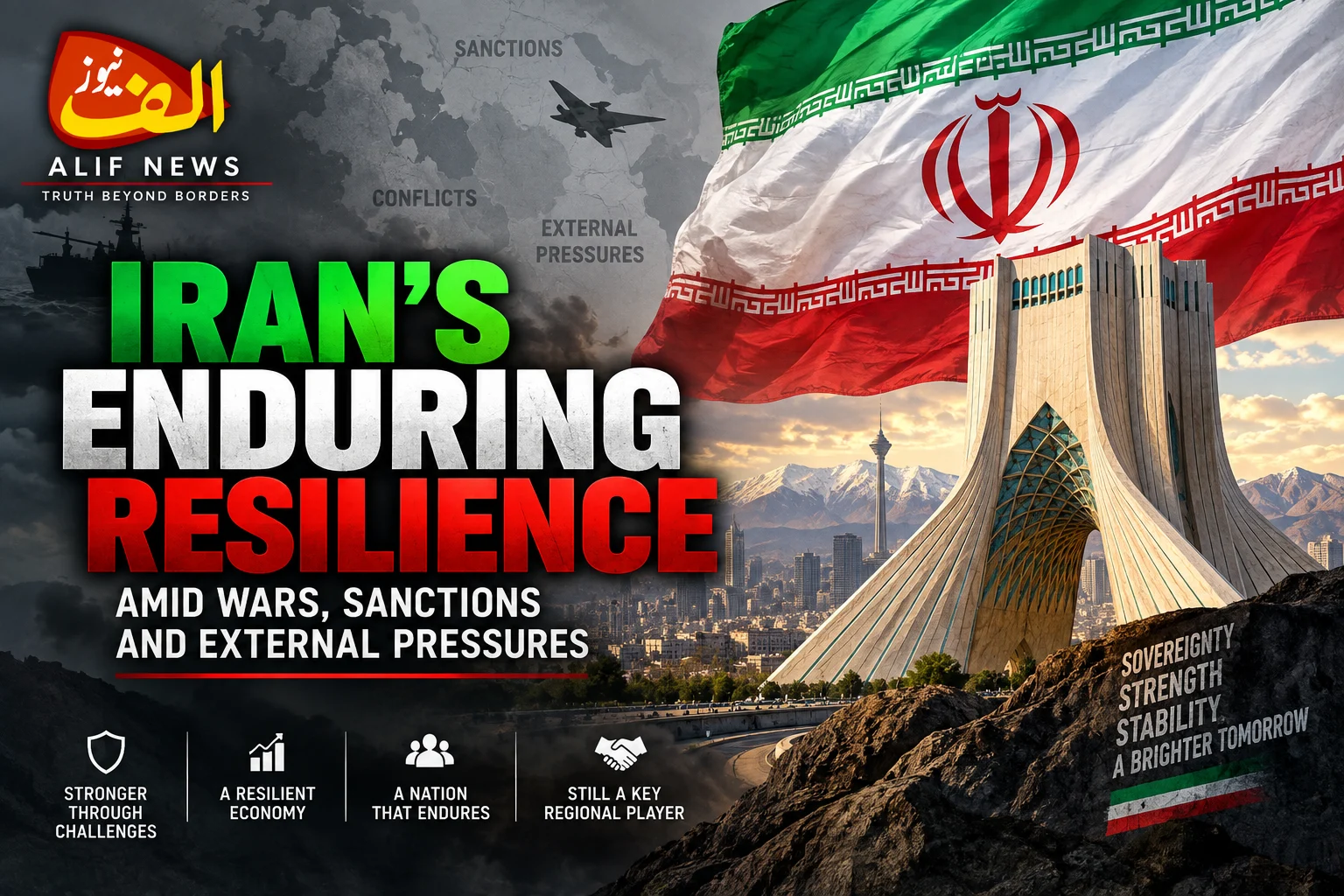
Iran’s modern history has been shaped by revolution, foreign intervention, regional wars, economic sanctions, diplomatic isolation, and repeated confrontations with powerful states. Yet despite decades of pressure, the country has maintained its political system, significant regional influence, and an ability to adapt to changing geopolitical circumstances.
The concept of Iran’s enduring resilience does not mean that the country has escaped the consequences of conflict or economic pressure. Iranian citizens have experienced inflation, economic restrictions, warfare, political tensions, and social challenges. Rather, resilience in this context refers to Iran’s capacity to preserve state institutions and pursue its strategic objectives despite sustained external pressure.
The 1953 Coup and Iran’s Memory of Foreign Intervention
One of the most important events shaping Iran’s modern political outlook occurred in 1953, when Prime Minister Mohammad Mosaddegh was removed from power following a covert operation involving the United States. Declassified U.S. government records document American involvement in efforts that culminated in Mosaddegh’s overthrow on August 19, 1953.
The episode continues to influence Iranian perceptions of Western involvement in the country. For many Iranians, particularly supporters of the Islamic Republic, the 1953 events became an enduring example of foreign interference in Iran’s domestic political affairs.
At the same time, Iran’s political situation during the early 1950s was complex, involving disputes over oil nationalization, tensions surrounding the Shah, domestic political factions, economic instability, and Cold War concerns about communist influence. Historical analysis therefore requires consideration of both foreign intervention and Iran’s internal political divisions.
The Iran-Iraq War: A Defining Test
Another defining chapter came on September 22, 1980, when Iraqi forces launched air attacks and a ground invasion of Iran, beginning the Iran-Iraq War. The conflict continued for nearly eight years and became one of the most destructive wars in the modern Middle East.
Iran was still experiencing political upheaval following the 1979 Islamic Revolution when the invasion began. Despite those internal difficulties, Iranian forces eventually stopped Iraq’s initial advances and recovered much of the territory captured during the early stages of the war.
The conflict caused enormous human and economic losses on both sides. The United Nations eventually called for a ceasefire and withdrawal to internationally recognized borders through UN Security Council Resolution 598. Iran and Iraq subsequently accepted the framework, bringing major hostilities to an end in 1988.
For Iran, the war became deeply connected to national narratives surrounding sacrifice, territorial defense and resistance to external military threats.
Decades of Economic Sanctions
Military conflict has not been the only source of external pressure on Iran.
The United States began imposing major sanctions following the 1979–1981 hostage crisis. According to the Congressional Research Service, later sanctions targeted a range of issues, including Iran’s regional activities and, particularly from the mid-2000s onward, concerns surrounding its nuclear program.
International sanctions expanded significantly during the nuclear dispute, placing pressure on Iran’s access to global banking, investment, technology and international trade.
Iran responded by attempting to reduce its vulnerability to Western financial restrictions, expanding economic connections with non-Western partners and seeking alternative trading arrangements. Nevertheless, sanctions and conflict have imposed significant economic costs, meaning that political resilience should not be confused with an absence of economic hardship.
The Nuclear Dispute and International Pressure
Iran’s nuclear program has remained one of the most contentious issues in its relations with the United States, Europe and Israel.
Iran has repeatedly maintained that its nuclear activities are intended for peaceful purposes, while Western governments and Israel have raised concerns about the possibility that Iran could develop capabilities applicable to nuclear weapons. These disputes have resulted in inspections, diplomatic negotiations, sanctions and periodic threats of military action. The Congressional Research Service has documented the continuing international debate over Iran’s compliance with nuclear-related obligations.
The disagreement illustrates a wider divide in how Iran and its critics view national security. Tehran argues that sovereignty and independent technological development must be protected, while its opponents argue that stronger restrictions and verification are necessary to prevent nuclear proliferation.
From Proxy Competition to Direct Military Confrontation
For many years, Iran’s confrontation with Israel and the United States largely unfolded indirectly through sanctions, intelligence activity, cyber operations and Iran’s relationships with armed groups and political movements across the Middle East.
Iran presents many of those relationships as part of a defensive strategy intended to deter attacks and counter U.S. and Israeli influence. Its critics, including the United States, Israel and several regional governments, argue that Tehran’s support for armed groups contributes to regional instability.
These competing interpretations remain central to understanding Iran’s foreign policy.
Direct confrontation increased dramatically during the Iran-Israel conflict of June 2025. Israel launched major attacks against Iranian military and nuclear-related targets, Iran responded with missile strikes, and the United States subsequently carried out strikes against Iranian nuclear facilities. A ceasefire ended the 12-day conflict on June 24, 2025.
By 2026, tensions had escalated again into a much wider confrontation involving Iran, Israel and the United States. Reuters reported Iranian missile attacks affecting Gulf states and, by September 2026, described an ongoing U.S.-Iran war that had continued for more than six months.
These developments demonstrate how quickly long-running geopolitical rivalry can move from indirect pressure to direct military confrontation.
What Explains Iran’s Enduring Resilience?
Several factors help explain Iran’s ability to withstand decades of geopolitical pressure.
Iran is a large country with substantial energy resources, a population of tens of millions, established state institutions and a strong sense of national identity extending far beyond the political system created after 1979. Its geography also gives the country considerable strategic importance because of its location between Central Asia, the Persian Gulf, South Asia and the wider Middle East.
Iranian governments have also developed political, economic and military relationships with countries and organizations outside the traditional Western alliance system.
At the same time, resilience carries significant costs. Sanctions, military confrontations, diplomatic isolation and domestic policy decisions have all affected economic opportunities and living conditions. Understanding Iran therefore requires distinguishing between the survival and strategic adaptability of the state and the everyday experiences of its population.
A History Shaped by Resistance and Rivalry
Iran’s modern experience cannot be explained through a simple story of either victimhood or aggression.
The country has experienced documented foreign intervention, an Iraqi invasion, extensive sanctions and direct military attacks. At the same time, Iran has pursued regional policies and supported armed partners that other governments consider threatening or destabilizing.
Both realities are important.
What remains clear is that decades of conflict and pressure have not removed Iran from the geopolitical landscape. Instead, they have helped shape a security doctrine centered on sovereignty, deterrence, strategic independence and resistance to external coercion.
As tensions across the Middle East continue to evolve, Iran’s future will depend not only on its capacity to endure pressure but also on diplomacy, regional relationships, economic stability and whether competing states can prevent repeated confrontations from developing into longer and more destructive wars.