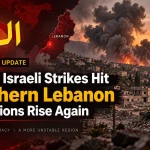





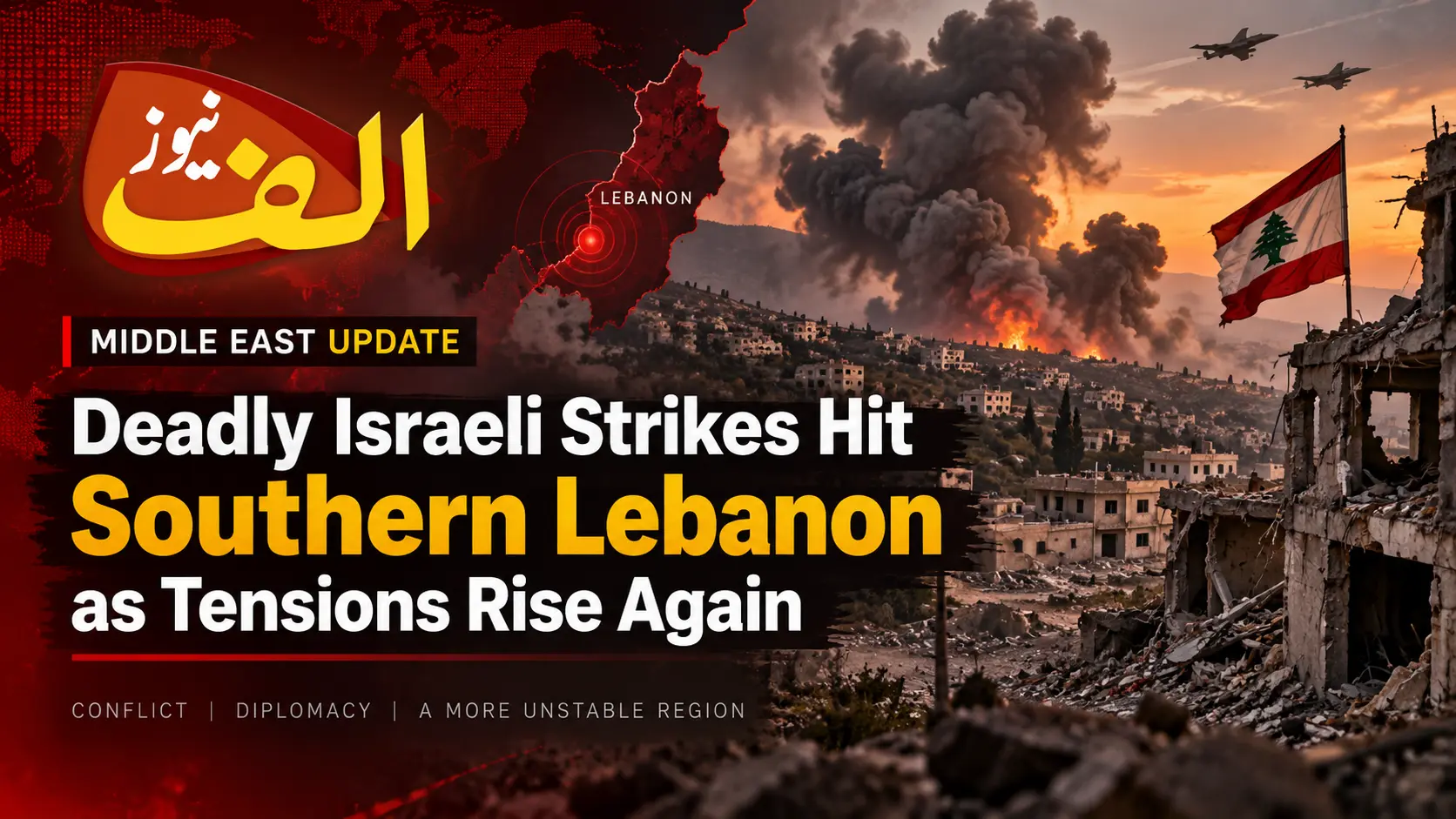
A new round of Israeli airstrikes has struck Kfar Rumman in southern Lebanon, adding to concerns that renewed fighting could further weaken efforts to maintain calm between Israel and Hezbollah.
The strikes took place on September 7, 2026, hitting a residential building and a vehicle in the southern Lebanese village. Early reports from Lebanon’s Health Ministry said at least nine people had been killed and 13 wounded, including women and children. The casualty figures were later revised upward as rescue operations continued. Associated Press reported at least 12 deaths, while Reuters cited Lebanon’s Health Ministry as saying at least 13 people were killed.
Residential Area Hit in Kfar Rumman
According to Lebanese officials, one of the strikes hit a building where families were living. Rescue workers searched through the rubble following the attack as emergency teams attempted to locate victims and survivors.
Updated Associated Press reporting said the building strike killed 11 people, including children and women. A separate strike on a vehicle killed a paramedic associated with the Lebanese Islamic Risala Scout Association.
The incident caused significant concern among residents of Kfar Rumman, a village located near Nabatieh in southern Lebanon. Local residents described continued anxiety caused by strikes and shelling in the surrounding region.
Israel Says Hezbollah Operatives Were Targeted
The Israeli military said its strikes targeted Hezbollah members it accused of transferring weapons into Kfar Rumman. It also said it was reviewing reports that civilians had been harmed during the attacks.
Israel said the operations followed Hezbollah drone attacks against Israeli troops near the strategic Ali Taher ridge. Reuters reported that the Israeli military said measures had been taken to reduce civilian casualties.
Lebanese officials and residents, however, highlighted the civilian casualties and damage to residential areas.
Ceasefire Under Increasing Pressure
The attack occurred despite a U.S.-mediated framework aimed at reducing hostilities between Israel and Hezbollah.
Under a framework agreement reached in June 2026, Israeli forces were expected to withdraw from southern Lebanon in exchange for steps toward Hezbollah’s disarmament. Implementation has remained disputed and incomplete.
Hezbollah has said it will not surrender its weapons north of Lebanon’s Litani River, while Israeli officials have maintained that withdrawal depends on Hezbollah being disarmed more broadly across Lebanon.
Continued strikes and drone attacks have therefore raised questions over whether the ceasefire framework can prevent another prolonged escalation.
Civilian Impact Remains a Major Concern
The casualties in Kfar Rumman have again drawn attention to the impact of continued military operations on communities in southern Lebanon.
Homes and civilian infrastructure have been affected during repeated rounds of fighting, while residents of communities close to contested areas continue to face uncertainty over their safety.
The Kfar Rumman strikes followed additional Israeli attacks in southern Lebanon the previous day. Reporting at the time said those strikes had also caused fatalities and damaged an empty hospital.
What Happens Next?
The latest violence illustrates how fragile the security situation remains along the Israel-Lebanon front.
While diplomatic agreements have sought to create conditions for Israeli withdrawal and address Hezbollah’s military presence, major disagreements remain over how and where disarmament should occur.
For civilians living in southern Lebanon, renewed airstrikes represent an immediate humanitarian and security concern. Whether diplomatic efforts can prevent further escalation will depend on implementation of existing agreements and restraint by the parties involved.
As developments continue, casualty figures and details surrounding individual strikes may be updated as Lebanese authorities, international media and the Israeli military release additional information.